Continuing on the journey of discovery of exotic fruits here in Cambodia, today I’d like to present salak (Salacca zalacca). A product of a palm tree, salak belongs to the category of really unusual foods, normally found in traditional markets only. It won’t be to everybody’s palate – its strong, somewhat sweet but mostly sour taste would probably make many people frown, but others might find the exotic experience pleasantly invigorating. The flesh of the fruit isn’t particularly attractive; unlike the pure white flesh of rambutan or mangosteen, salak, with its dirty-looking yellow to brown patches, might be somewhat off-putting. Personally, I enjoyed the taste from the moment I took the first bite, but I cannot eat too many in one sitting because of acidic liquids present in the juices.
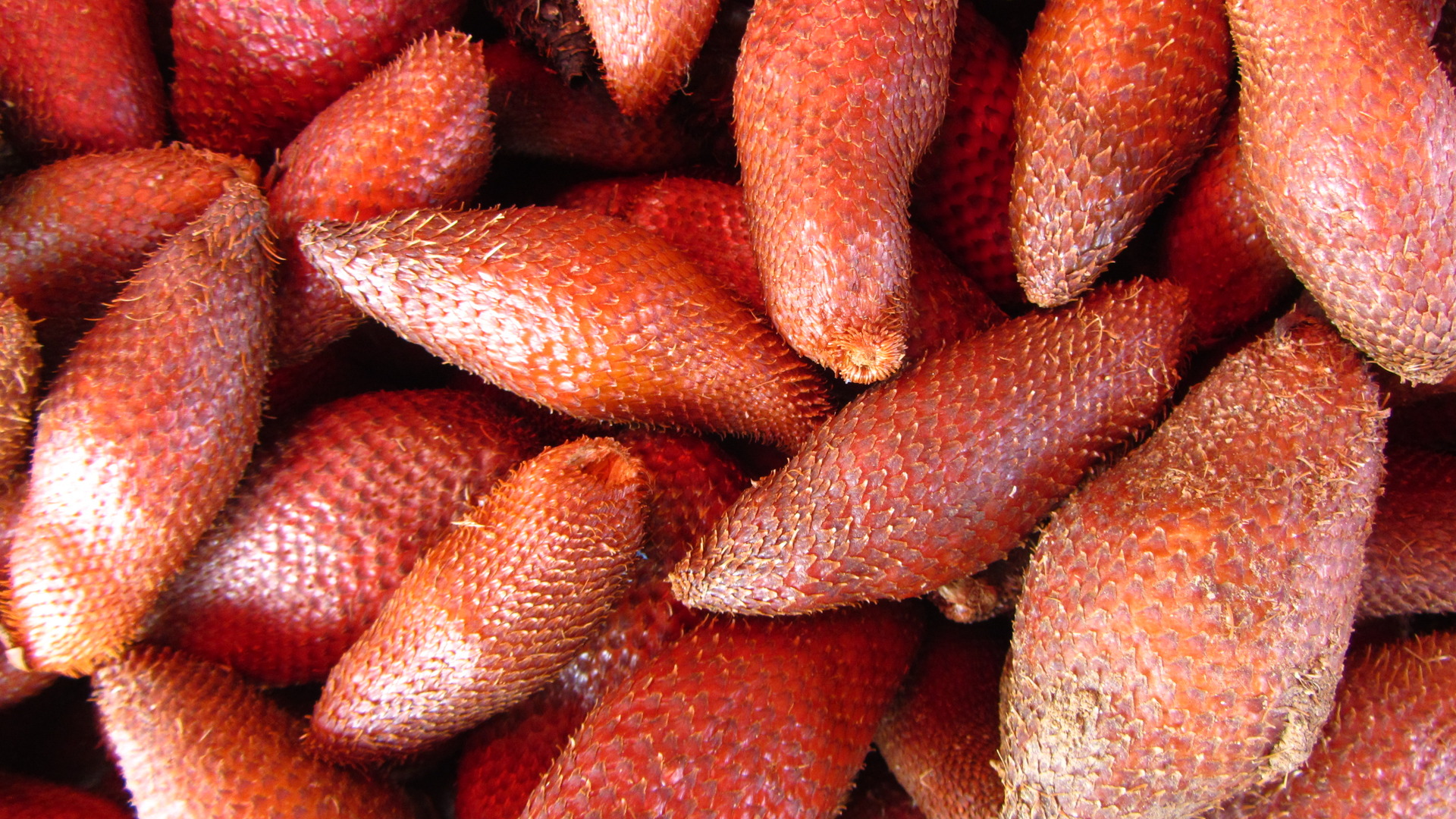
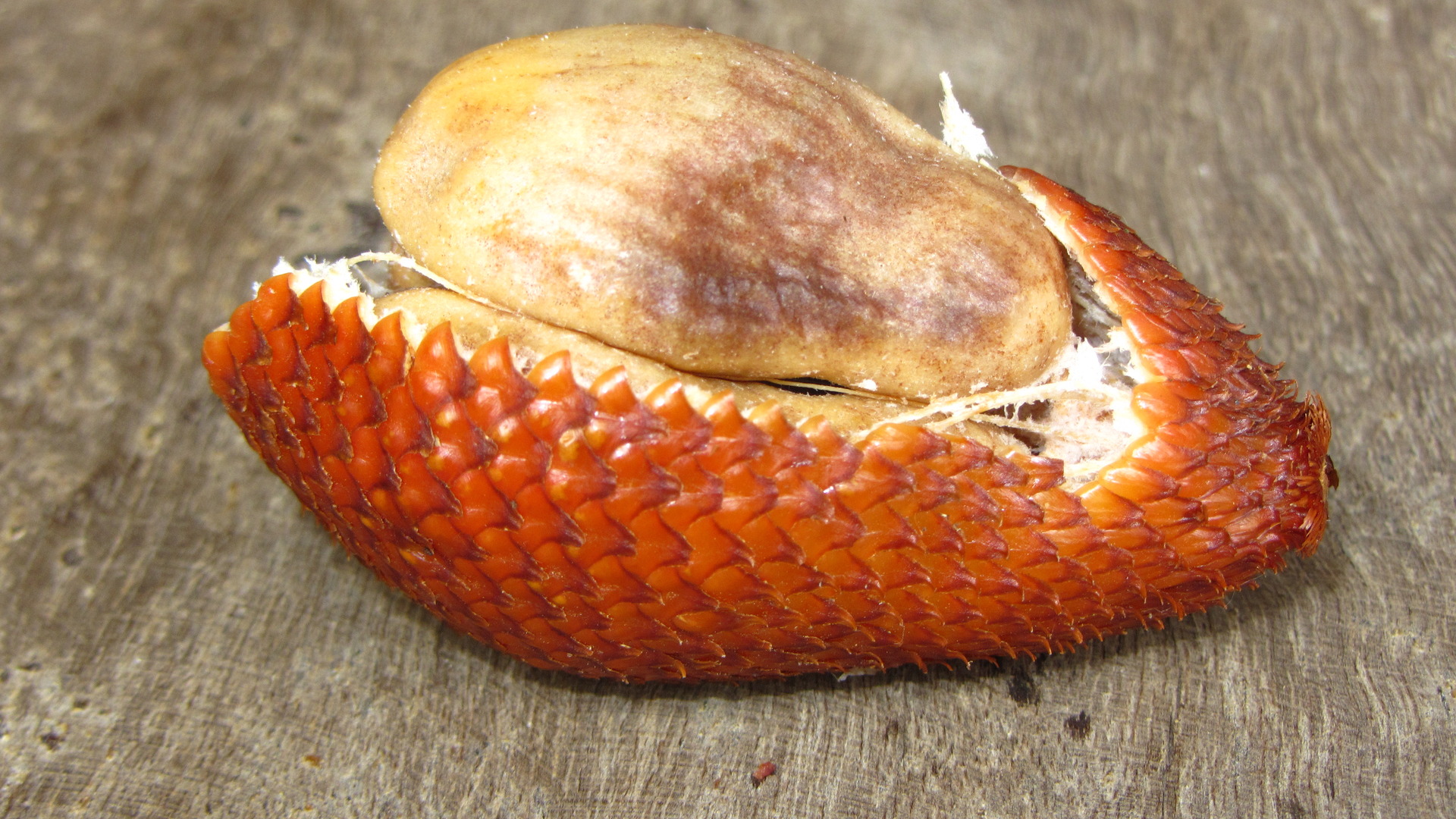
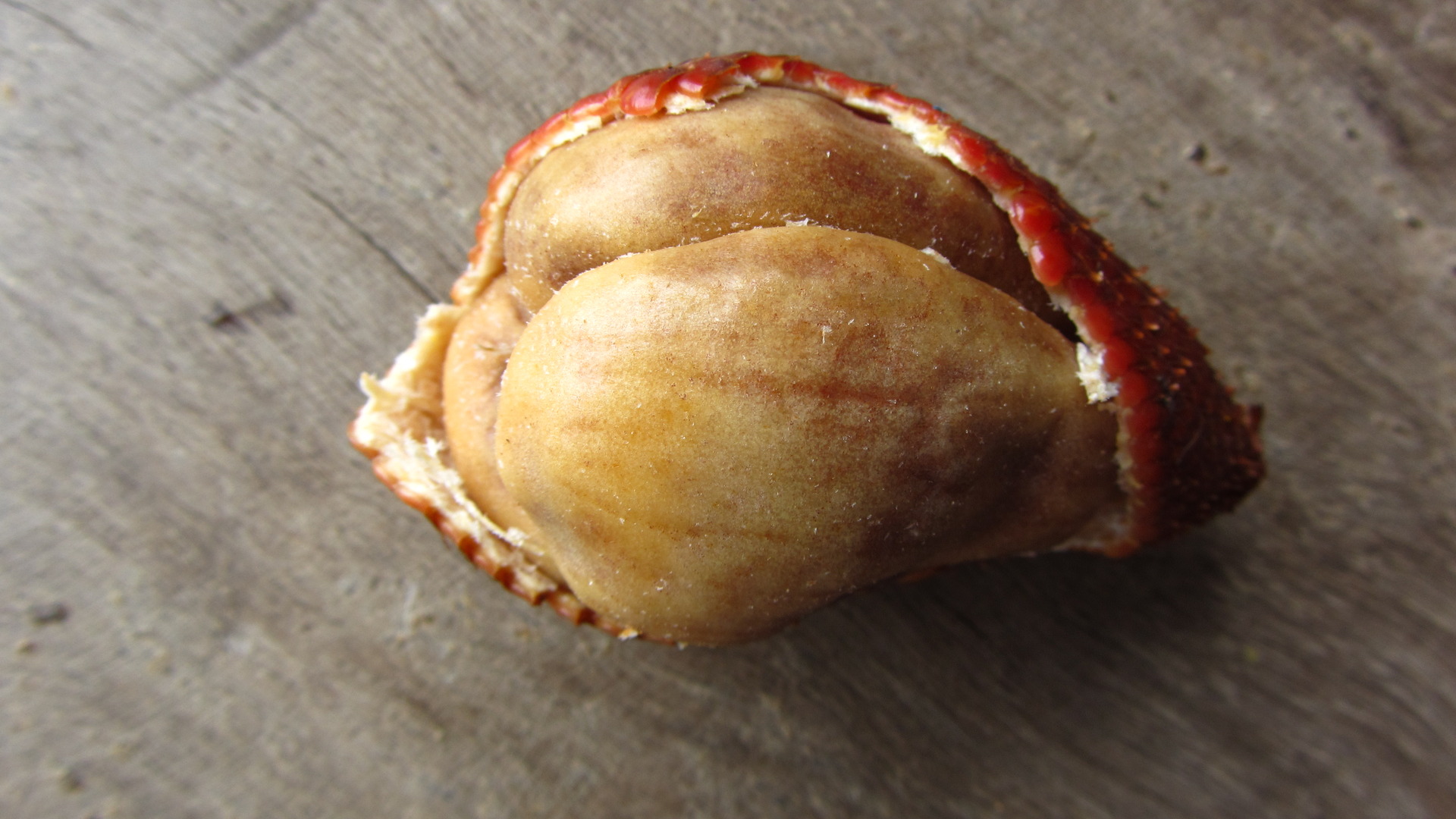
The Chinese call salak “snake skin fruit” (蛇皮果) – and for a good reason. Not only does the outer skin of the fruit look like a shed dry skin of a snake, it also feels that way when peeling it off. It’s brittle and protective, probably a little thicker than an average serpent would sport. The flesh of the fruit doesn’t fill the entire volume inside the skin as the two ends are empty – that’s where one would start with making inroads when peeling the skin which comes off easily. Inside there are two, three or sometimes four segments, each with a large seed. Although the flesh looks dry at first sight, the fruit is surprisingly juicy. It is rich in vitamin C and iron.
I first tasted salak in Malaysian Borneo last year, but the kind I’ve seen here in Cambodia is different – longer, oval-shaped and larger than the Borneo variety. The photos were taken at a small fruit stand in Kampong Cham, a city northwest of Phnom Penh on the shores of the mighty Mekong river.
(This page has been viewed 1330 times.)
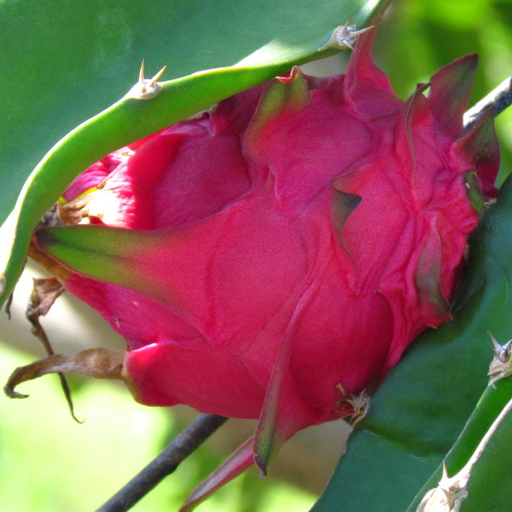
Растение известно также под названиями: в англоязычных странах — snake fruit, в Таиланде — sala, rakum, в Малайзии — salak, в Индонезии — salak.