Some people have asked me what method I use for identifying plants. Well, in the good old days one would turn to a botanical key, but nowadays I find it much easier to search through Google images unti I find the plant or flower I am looking for. First I type a few keywords that best describe the plant (colour, shape or region where it might grow), then click on the “Images” tab. This brings up a large number of pictures that might correspond to the given keywords and a few of them could lead directly to the jackpot. If not, there is another trick. I click on the image of the plant that most resembles the one I am trying to identify; this enlarges the photo and opens up a few other possibilities on the right, including a “Search by Image” button. I click on it upon which I’ll be presented with “Visually similar images”, as analysed by a computer programme. This is a way to narrow down the options based on the flower’s visual appearance.
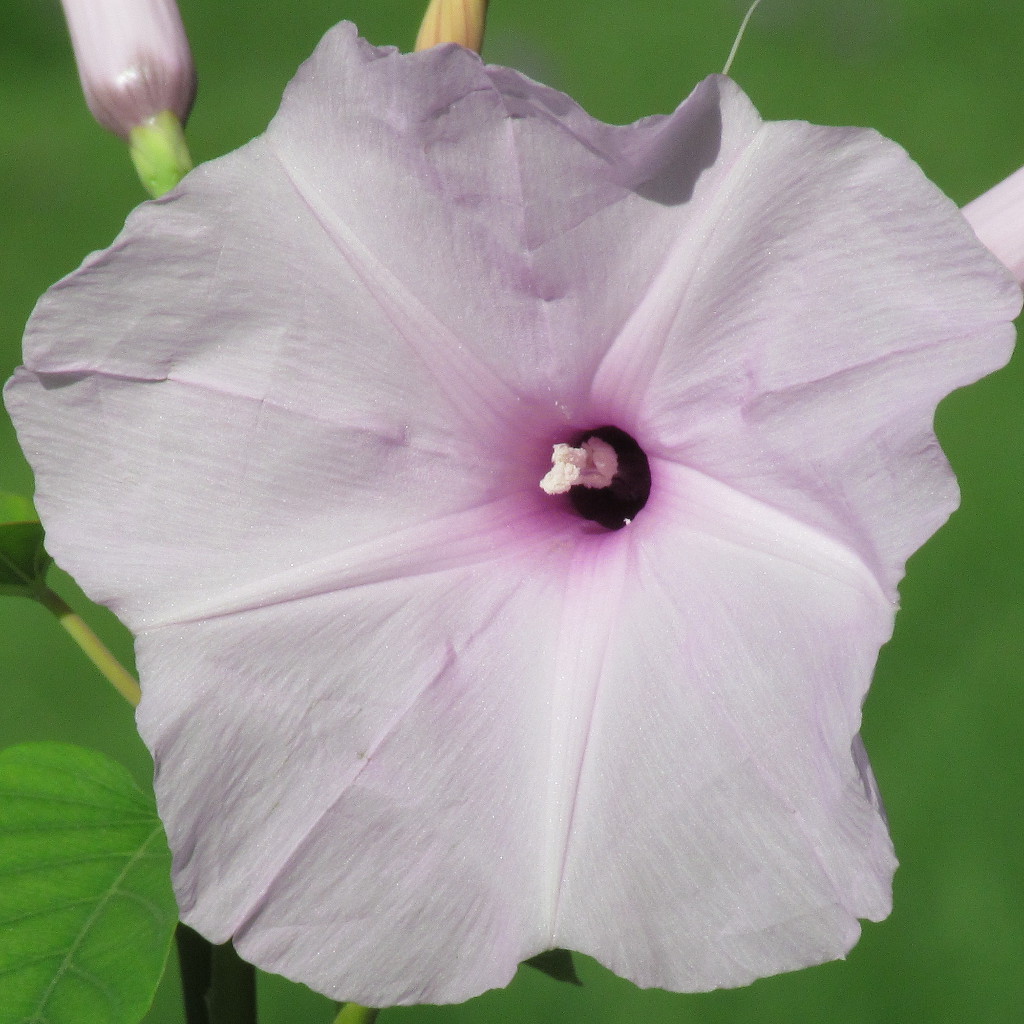
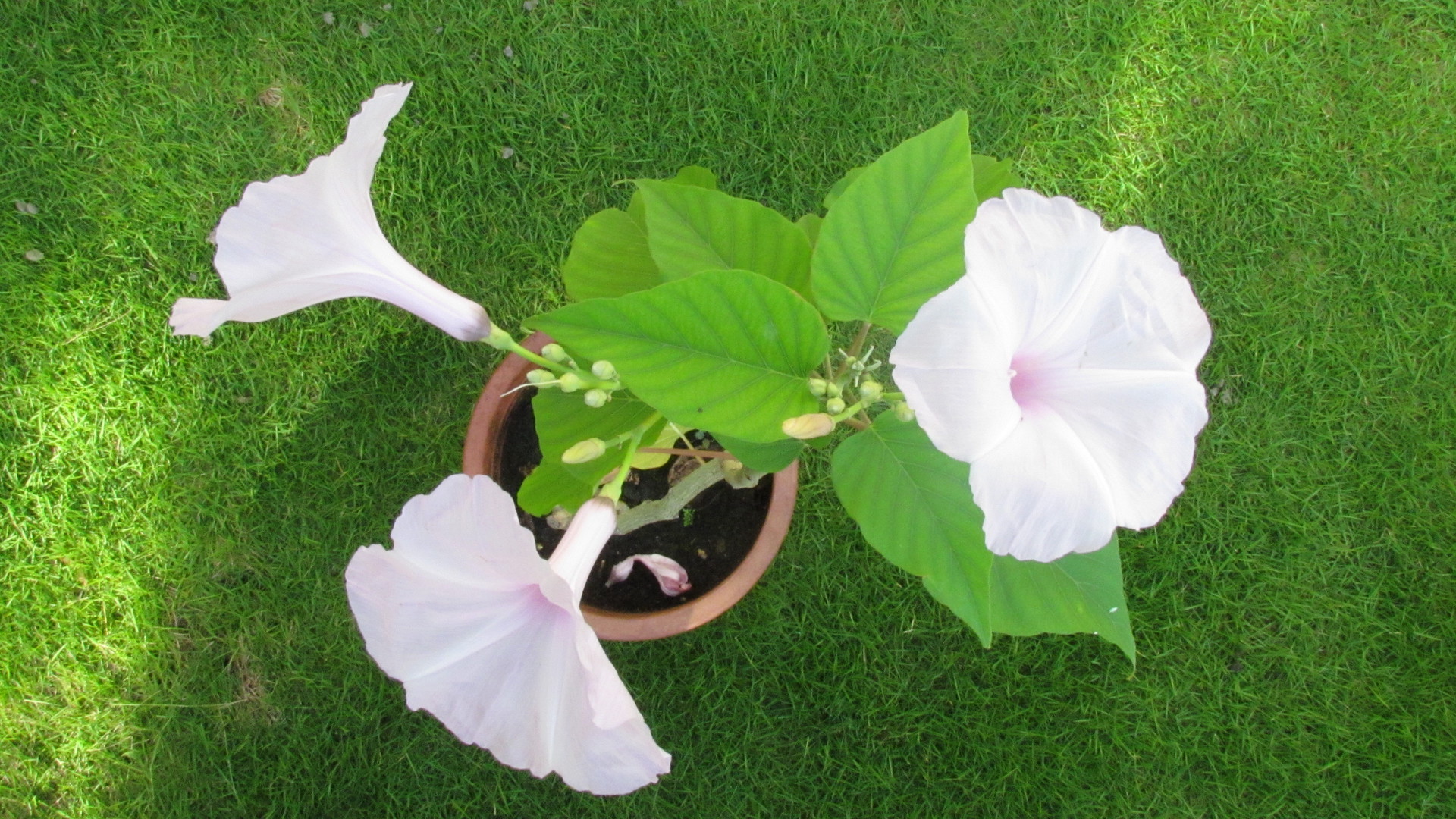
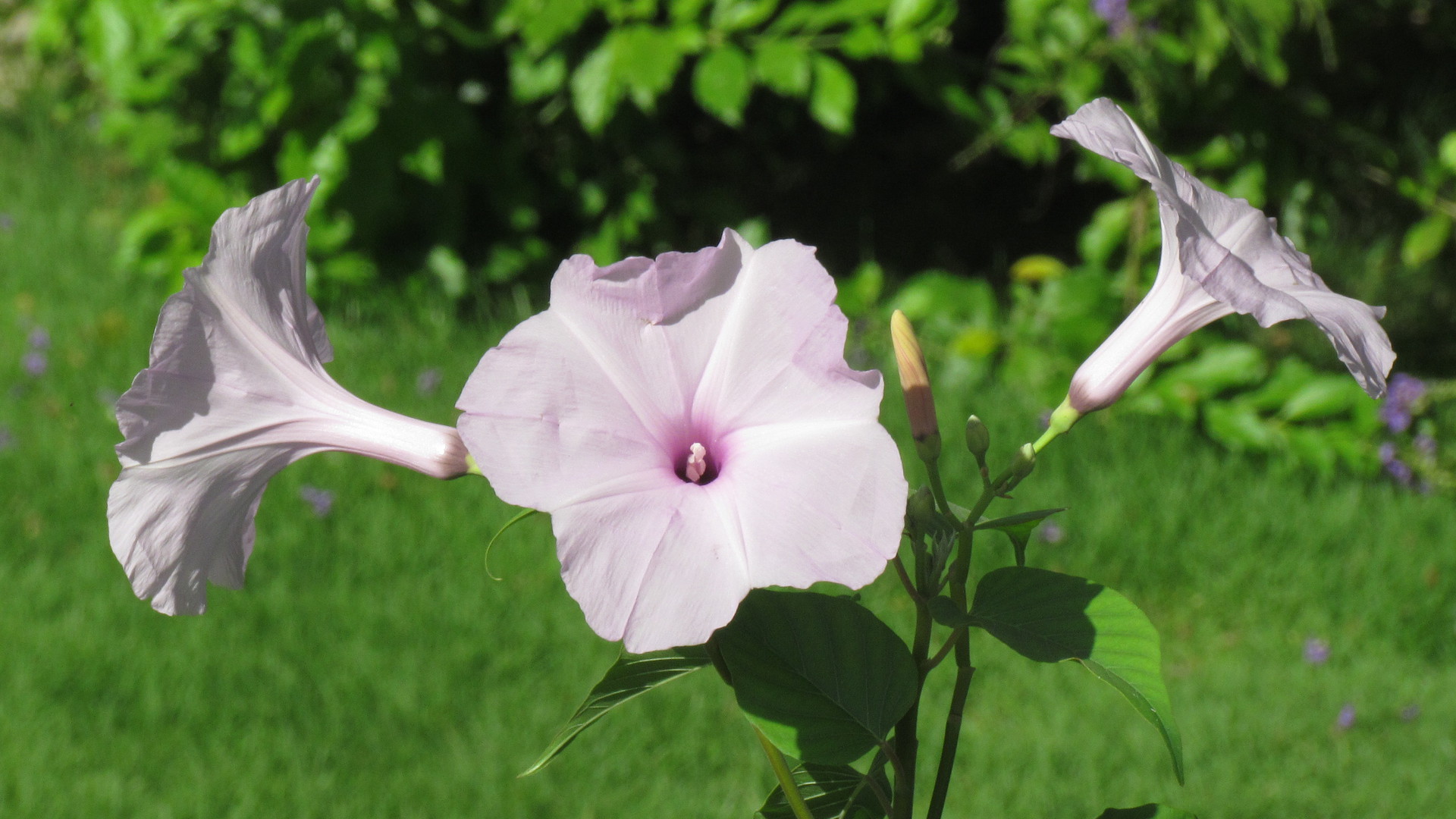
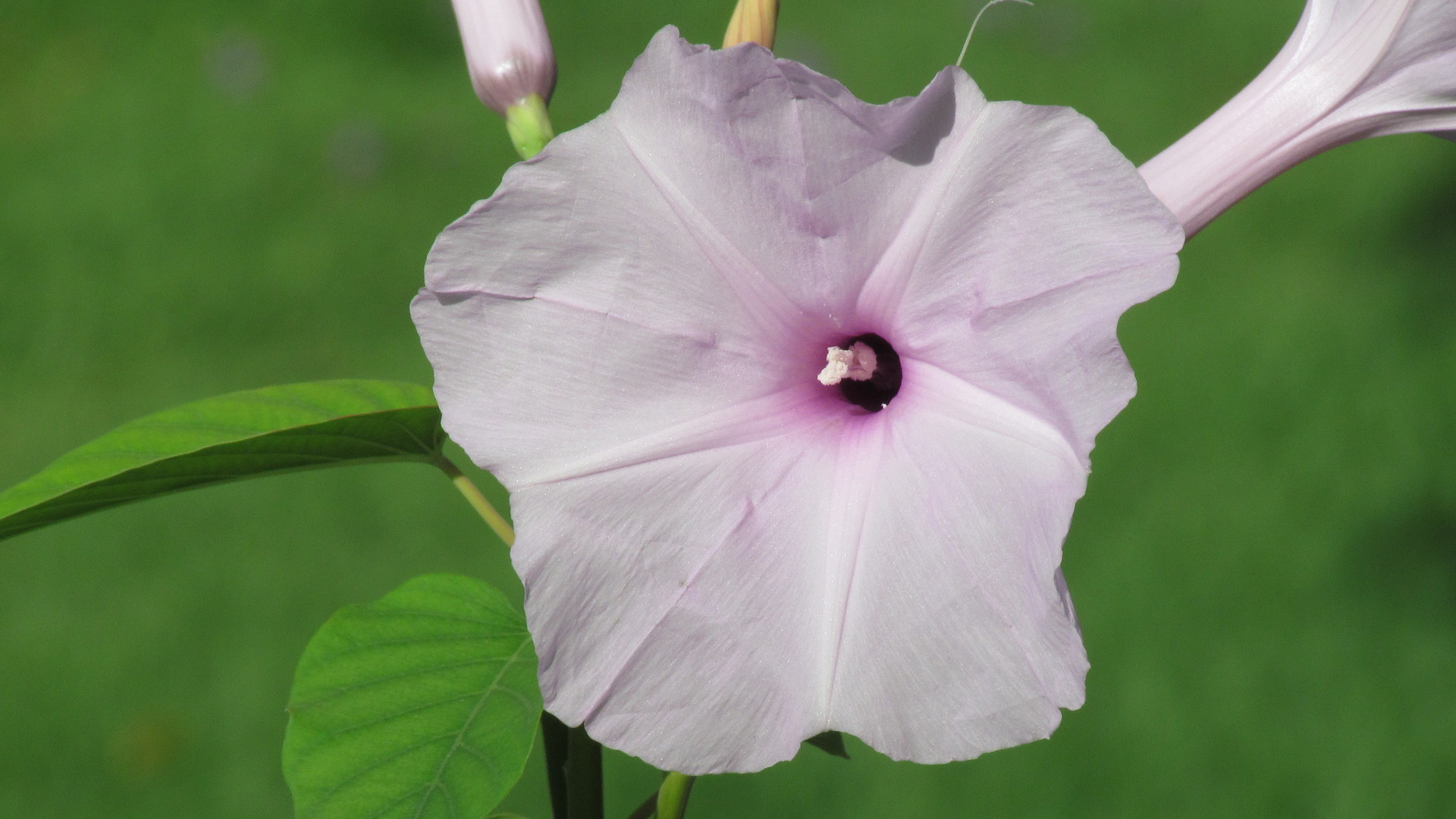
The plant I decided to identify today was a difficult one to find and it took me almost an hour to finally declare success. The pink morning glory (Ipomoea carnea) produced three flowers this morning, the most I’ve ever seen on this potted plant that graces one of our balconies. This is perhaps because it spends much of its days in the shade, but finally it was able to get a decent amount of sunshine recently, thanks to the summer solstice (at 22.7583° N Taitung is just 82 kilometres south of the Tropic of Cancer). Besides the beauty of the light pink flowers and the deep green texture of the leaves, another interesting aspect of the plant is the fact that its seeds are toxic, reportedly delivering a “powerfully psychedelic” reaction if digested.
(This page has been viewed 480 times.)