In “Exploring for plants”, a 1930 book written by American botanist David G. Fairchild, the author calls the mangosteen (Garcinia mangostana) “queen of tropical fruits”. This reference undoubtedly hints at the fruit’s excellent taste, but perhaps it also attempts to proliferate the (often quoted but unproven claim) that England’s Queen Victoria was particularly fond of this exotic fruit and even offered a large reward to anybody who could procure it for her. Many of the early explorers and botanists who tasted mangosteen gave it superb references. As an example, English explorer Frederick William Burbidge expressed the taste as “something like that of the finest nectarine, but with a dash of strawberry and pineapple added”, while Italian naturalist Odoardo Beccari described mangosteen as having “delicious flavour which recalls that of a fine peach, muscatel grapes, and something peculiar and indescribable which no other fruit has.”

Perhaps the most likely reason why this mysterious fruit received so many superlative accolades is its scarcity. Native to south-east Asia (and only rarely cultivated outside its natural range), the fruit of mangosteen has a short lifespan which makes it impractical to export to distant regions. Also, the tree takes anything between 8 – 15 years since planting before it will yield any edible fruit. Furthermore, the mangosteen season is very short, only lasting around six weeks, once a year. And if all this already wasn’t enough to discourage large-scale farming, the plant is said to produce excellent crop only every alternate year!
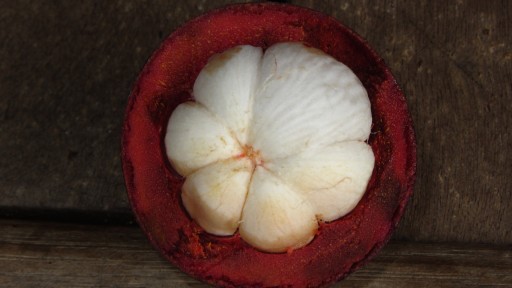
As with most fruits, the best way to enjoy mangosteen is to travel to places where it is cultivated and readily available as fresh produce. Here in Cambodia, the month of August is the perfect time – the fruit is sold at most mid-size markets throughout the country.
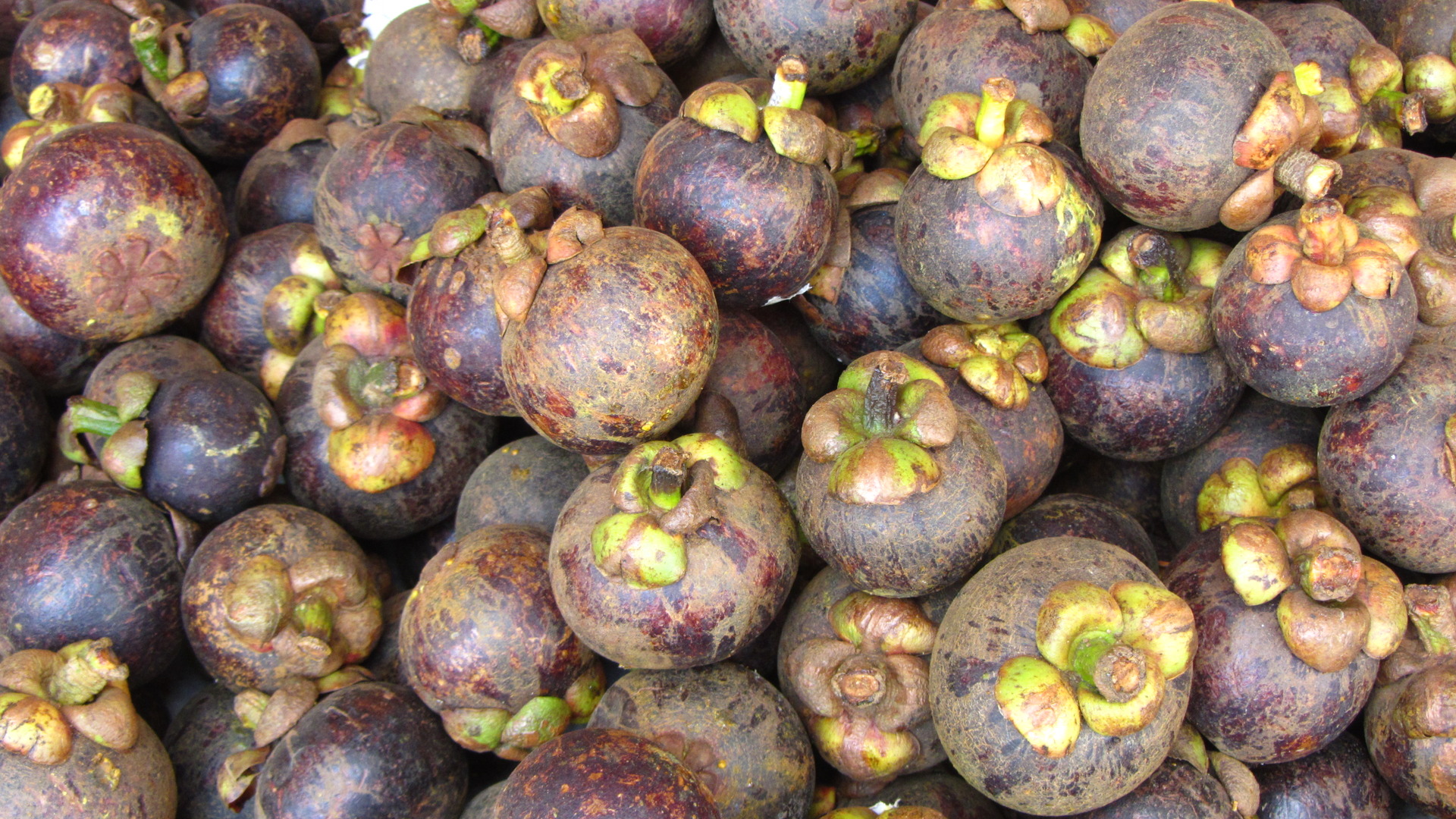
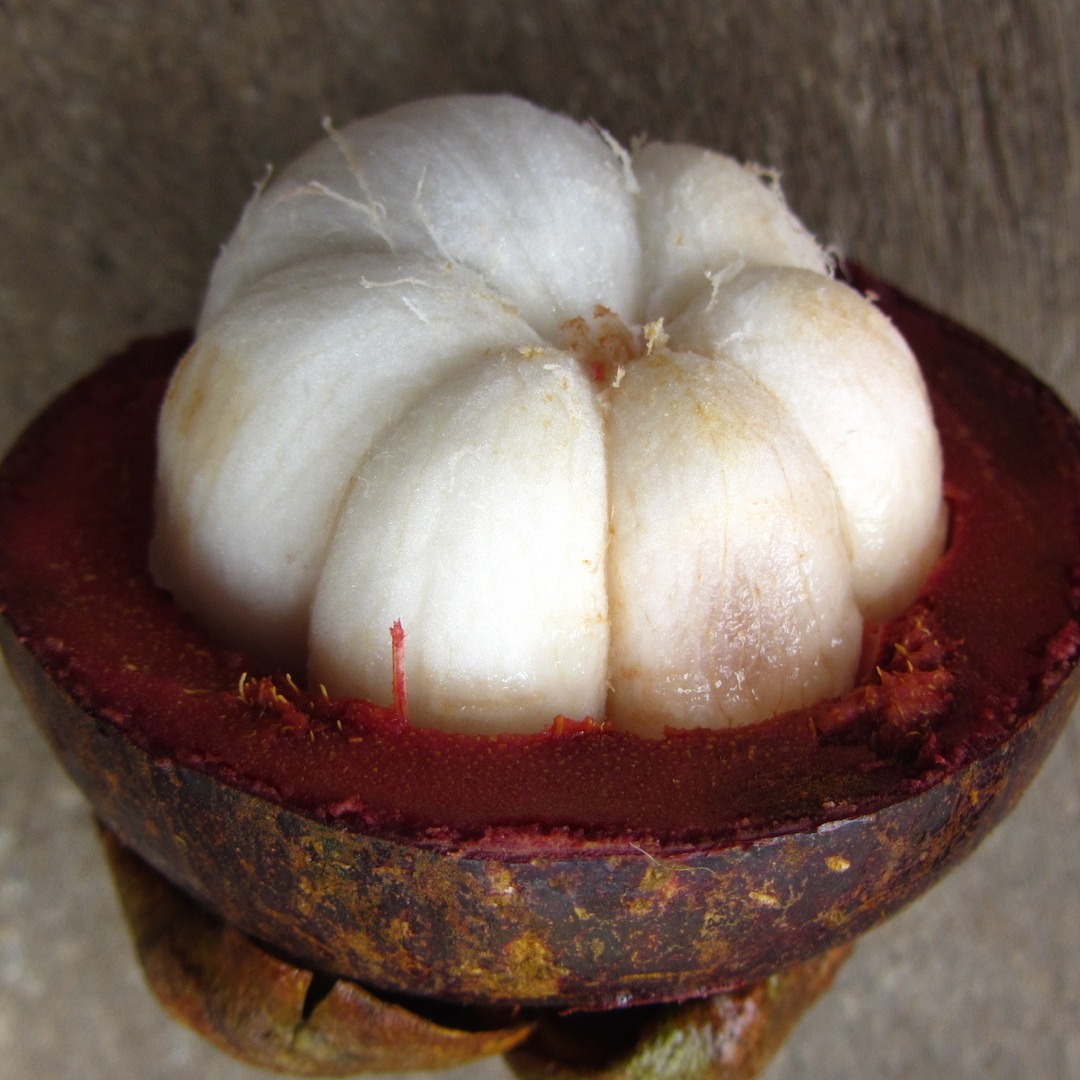
The first time I tasted a fresh mangosteen was a year ago, purchased from a supermarket in Brunei. At that time I wasn’t particularly impressed, but perhaps the fruit wasn’t in the correct state of ripeness so I decided to reserve my judgement for later. This year, after more than two weeks in Cambodia, I had ample opportunities to enjoy these lovely snow-white segments enclosed in a dark purple pod. And the verdict? Mangosteen is a great-tasting fruit, for sure. But if I had to choose one tropical produce as my last wish, I’d probably pick one of those excellent juicy mangoes from the Philippines or maybe the tasty small-seed litchi variety from southern Taiwan, rather than mangosteen.
(This page has been viewed 1203 times.)