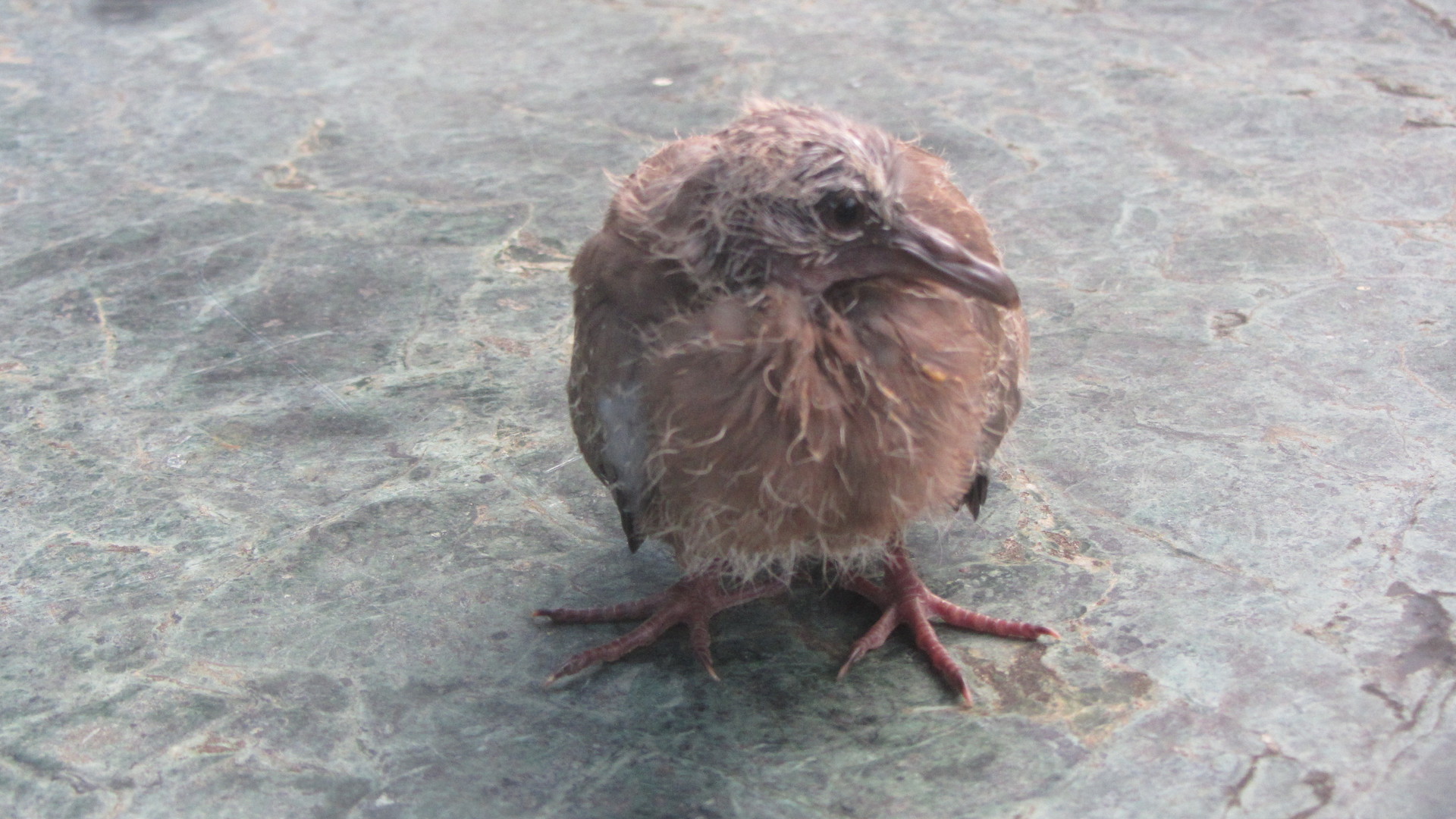
Witnessing the behaviour of animals in nature and their relationships is never short of astonishing. The case of the rescued Spotted dove (Spilopelia chinensis) baby, which was cruelly expunged from its nest by the powerful typhoon Soulik over the weekend, is an excellent example. I’ve been hand-feeding the (estimated) 10-day old baby bird for the last two days, literally forcing it to have a warm millet mixture twice a day. The bird’s reluctance to open its beak and accept food from an unfamiliar source seems to stress it out somewhat. However, there is one thing that cheers up the dove chick tremendously – the voice of its mother!
Yes, the parents have found their lost offspring. They have been hanging around the nearby trees, anxiously watching the proceedings from a short distance. They must be happy to see their baby alive, yet frustrated by their own helplessness. I’d gladly return the youngster to them, but I don’t know where their nest is and even if I knew, it would likely be inaccessible for a homo sapiens. Yet, I cannot possibly leave the unfledged chick running around on the ground where it would soon become an easy meal for the neighbourhood cat, snake or other predator. So my only option is to keep feeding the baby bird until it learns to fly confidently, then let it go back to its parents who can continue to pass all the essential survival skills onto their beloved bambino.
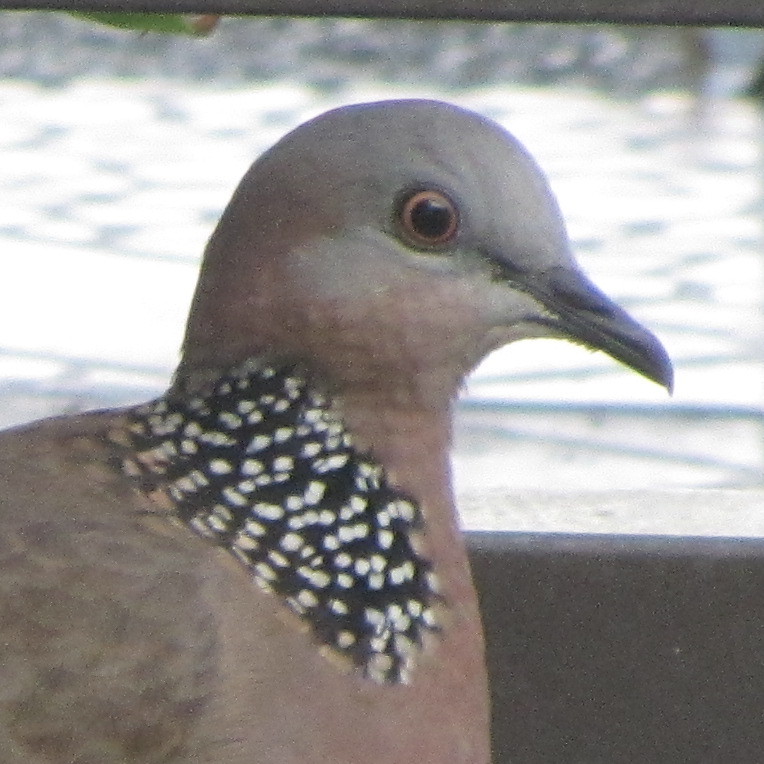
Yesterday I spent quite some time observing the parents. Although commonplace in the area, these doves are very people-shy and readily take off at the first sight of an approaching human being. As a result, it isn’t easy to photograph them. But being around their chick changed everything and I was amazed to see how much braver the two adult birds were now that their baby was in my possession. They would come very close, they’d sit on a tree less than five metres away and they would sheepishly walk on the ground just a short distance from me. Of course, they’d still fly away if I tried to approach them, but they came close enough for me to take a few decent photos of them. Have the strong parental instincts and powerful genetic bonds turned the birds into more valiant creatures? Or have they decided that they could trust me since I was obviously no threat to their little one? Only they will know…
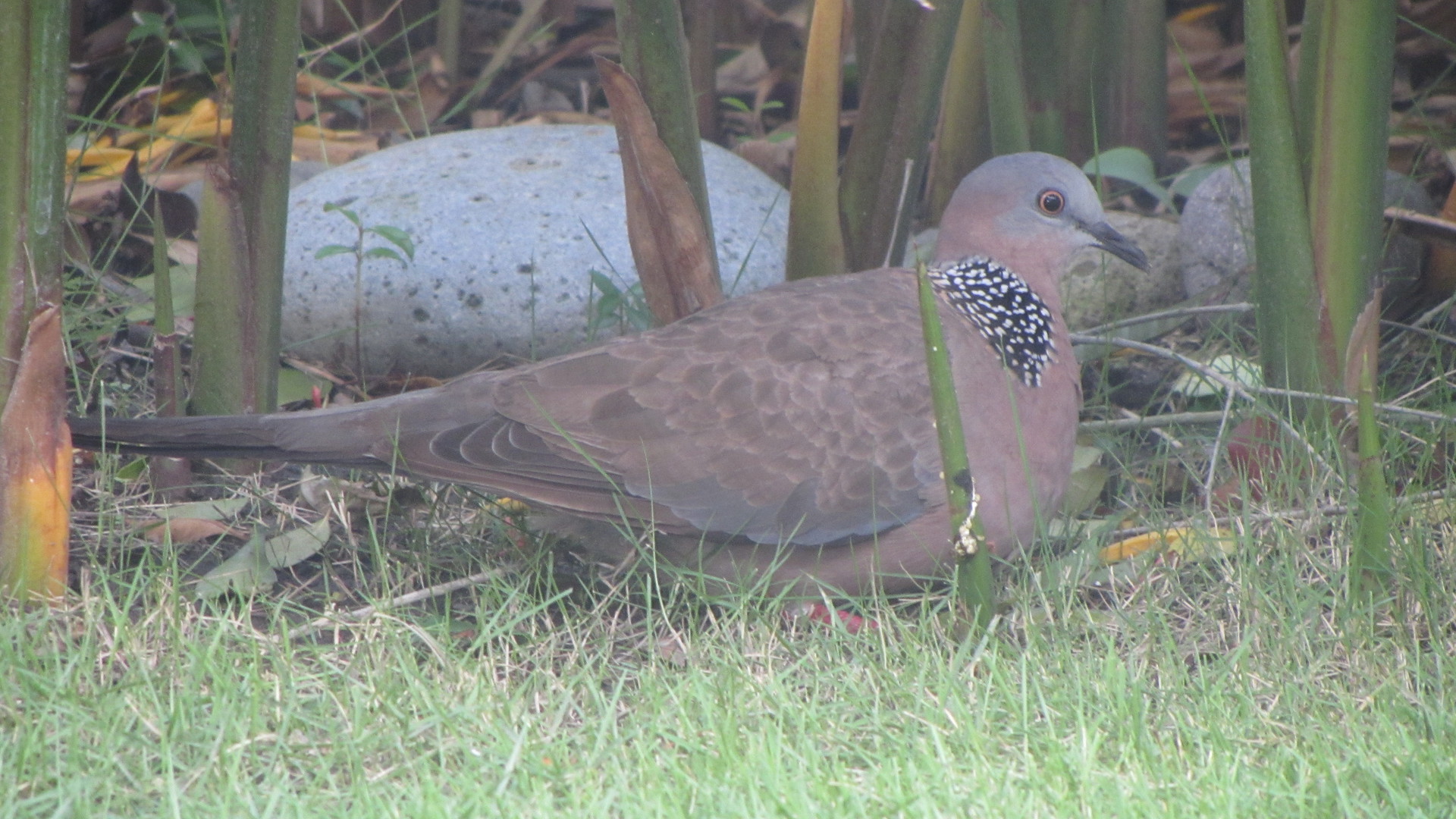
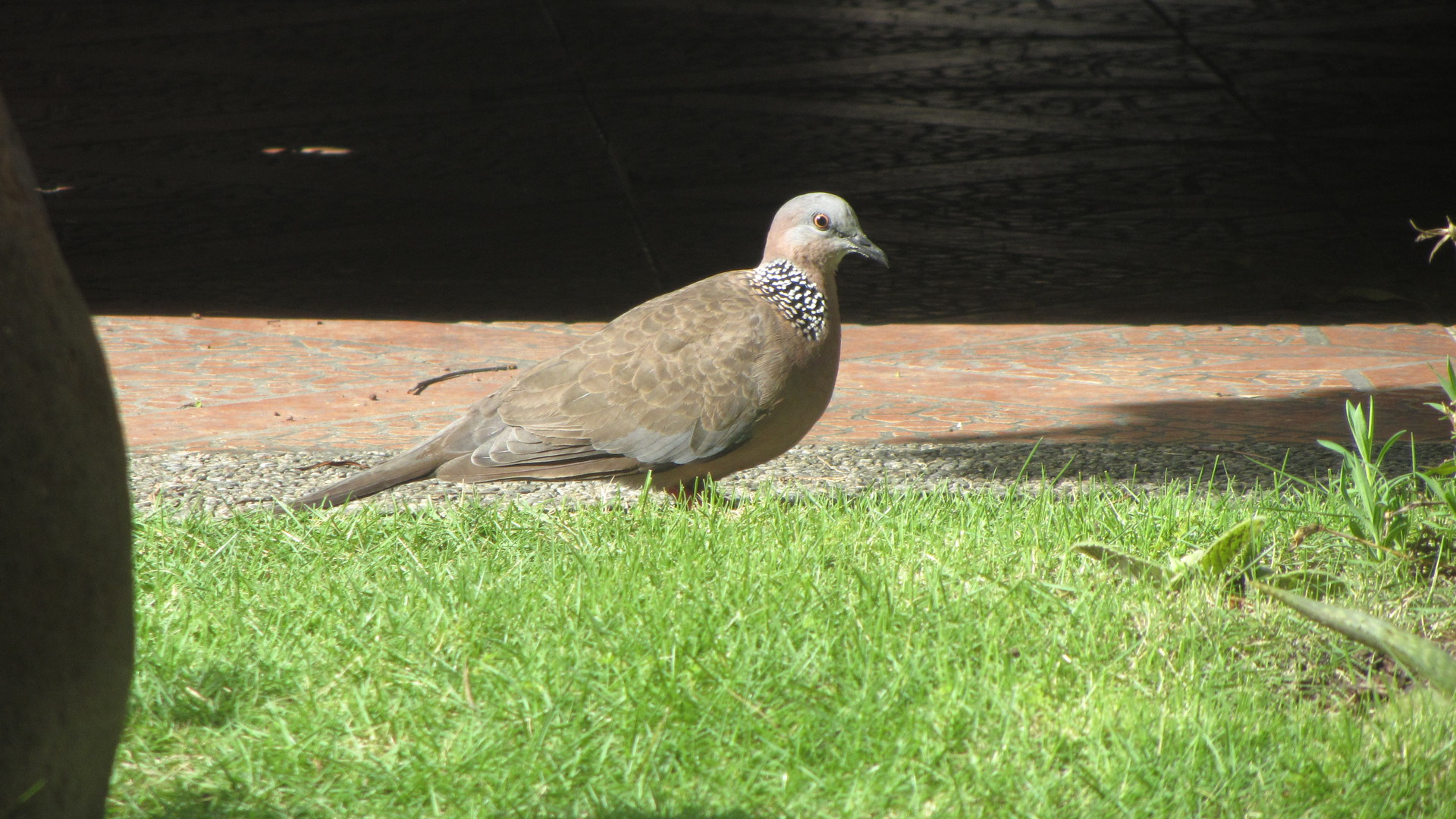
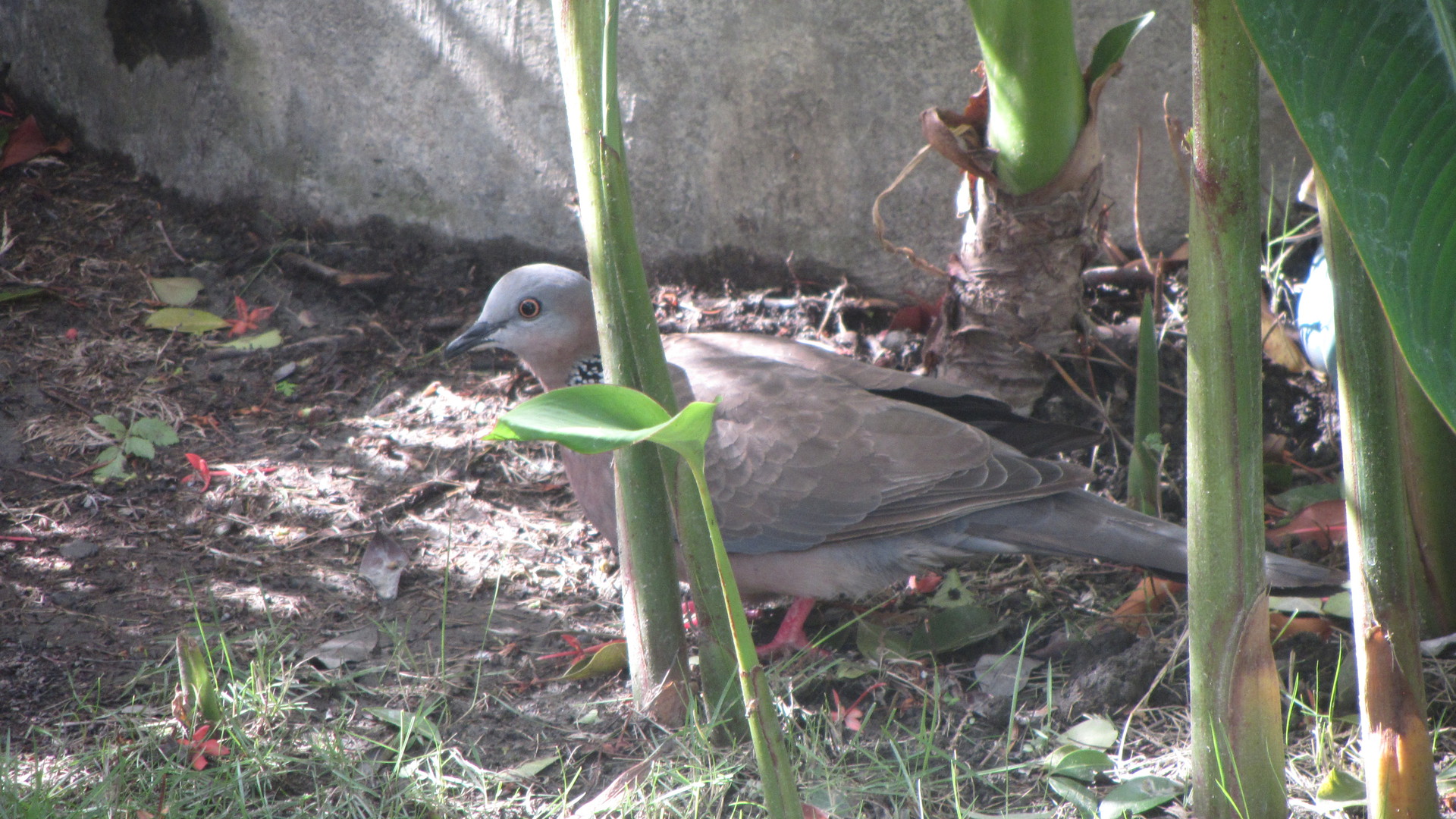
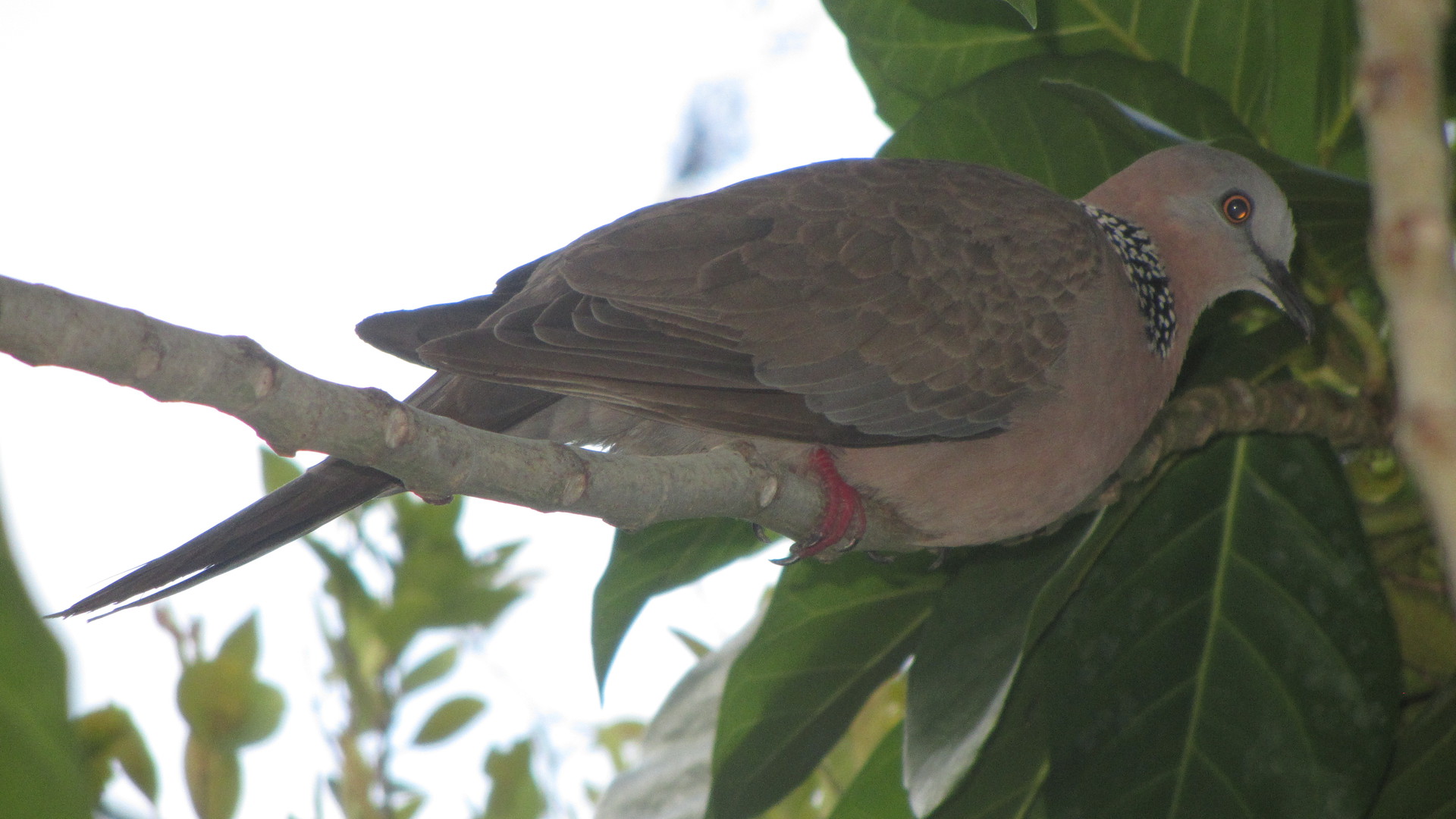
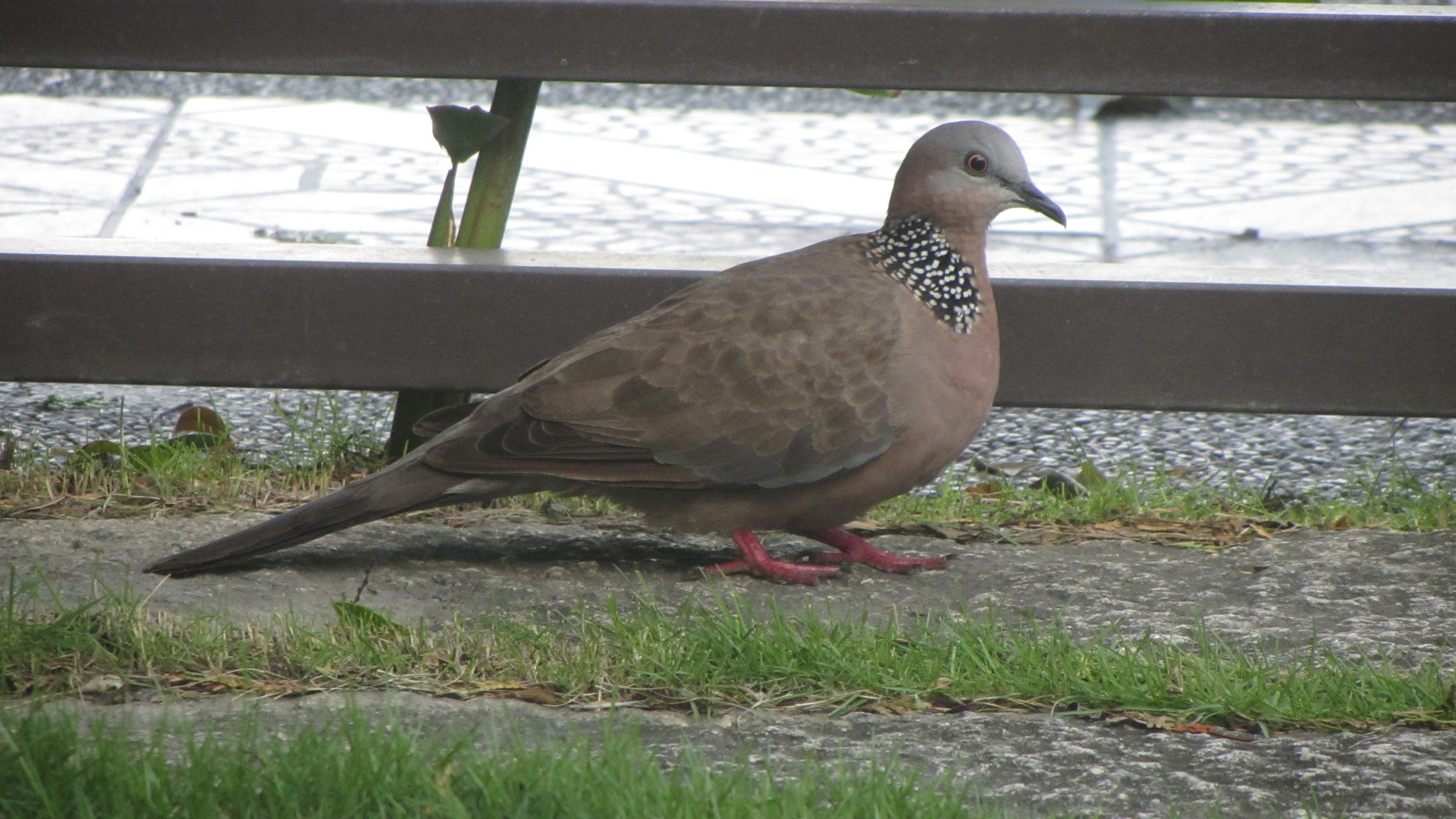
Isn’t she beautiful? It’s hard to believe that the ugly “doveling” below will be (hopefully) just as gorgeous in only a few short weeks. What an incredible contrast!
(This page has been viewed 510 times.)