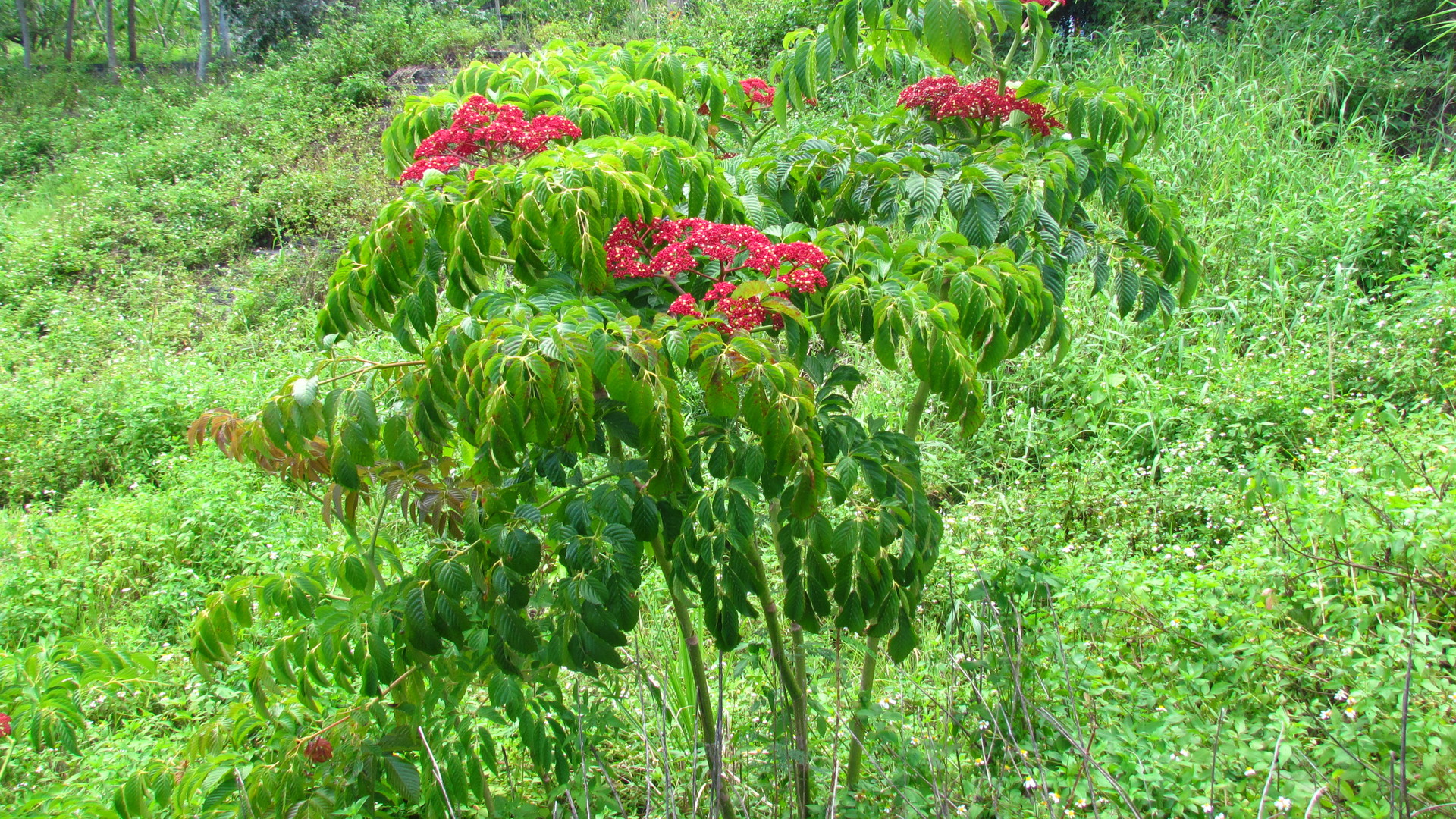
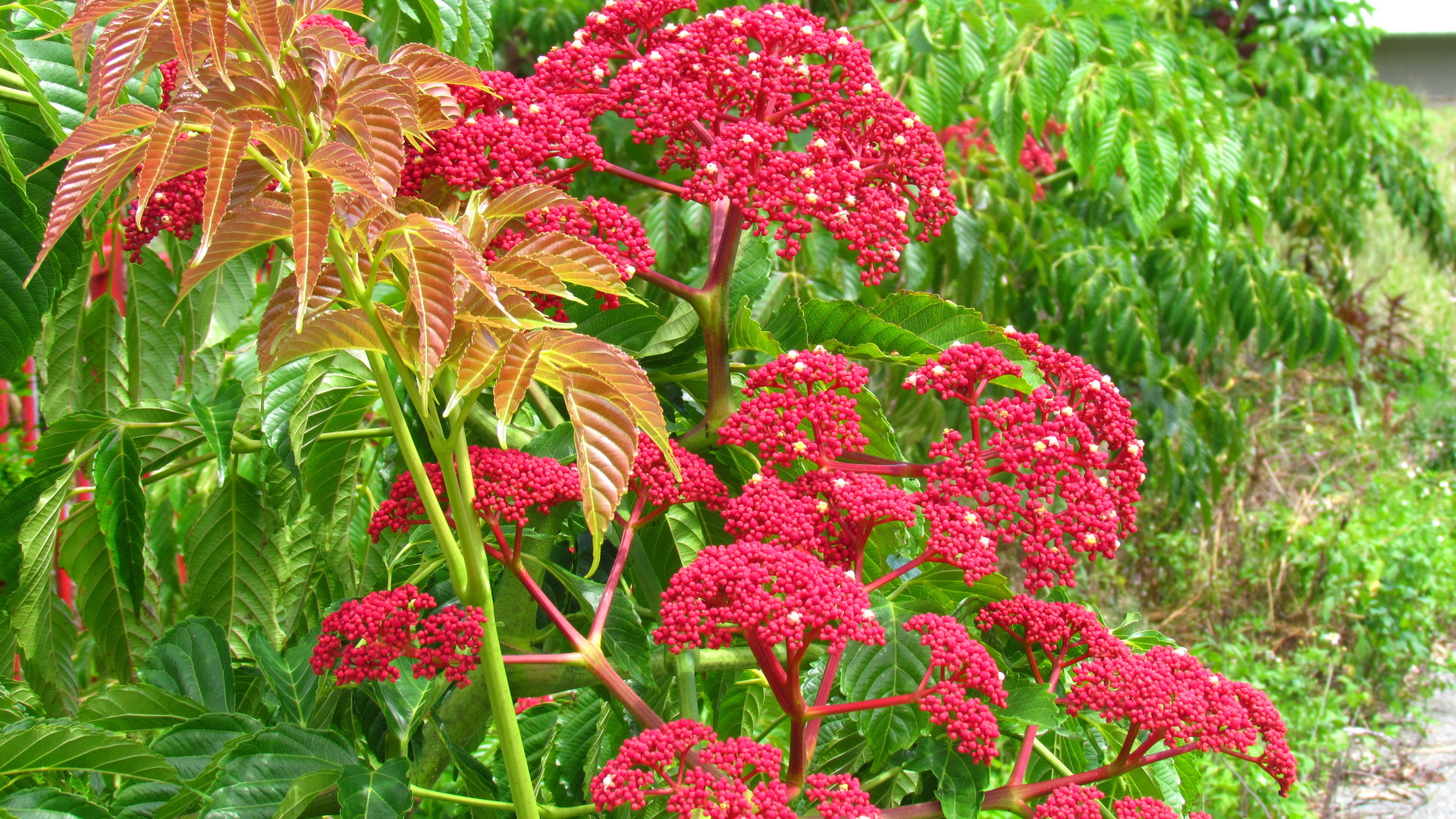
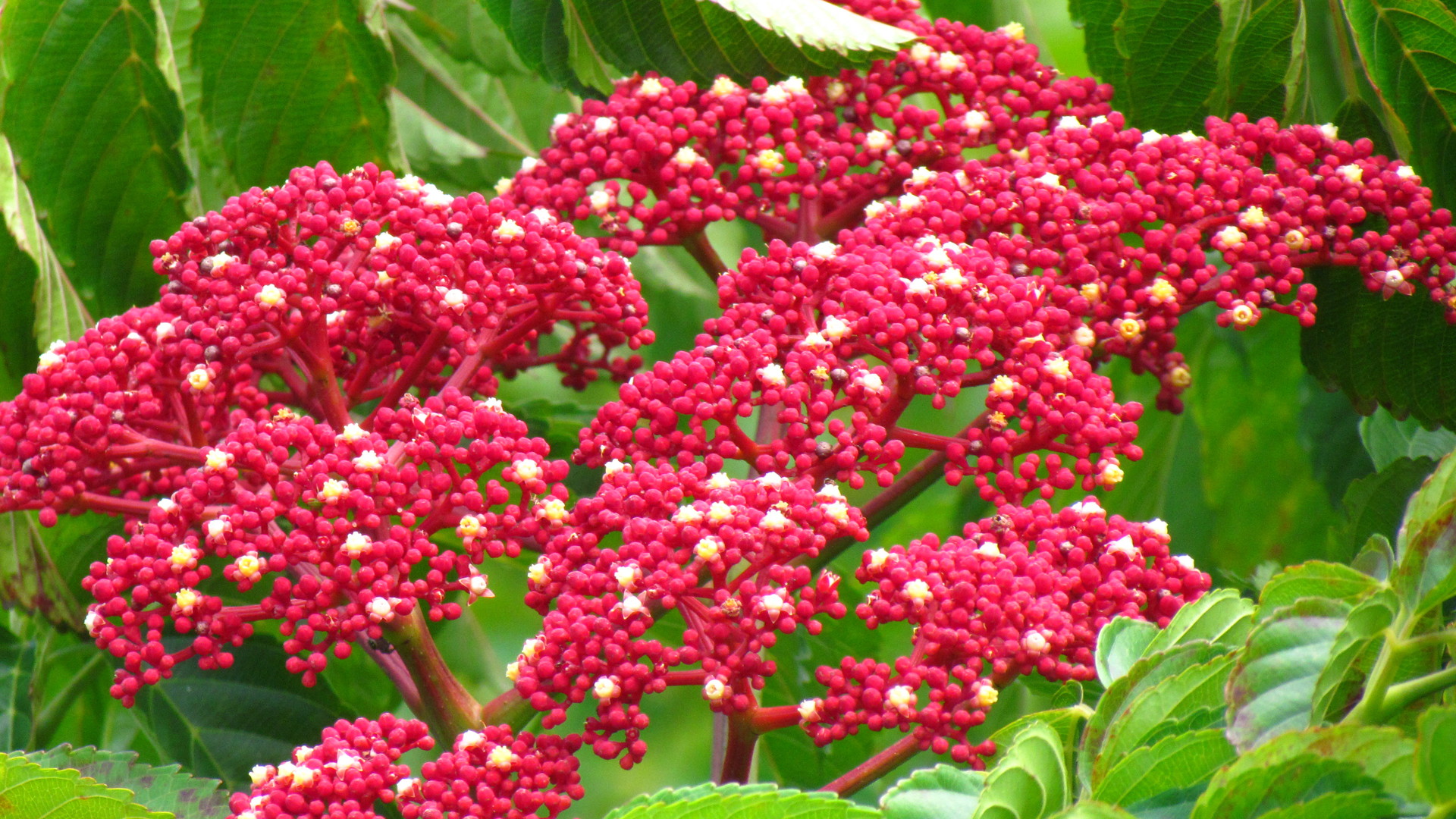
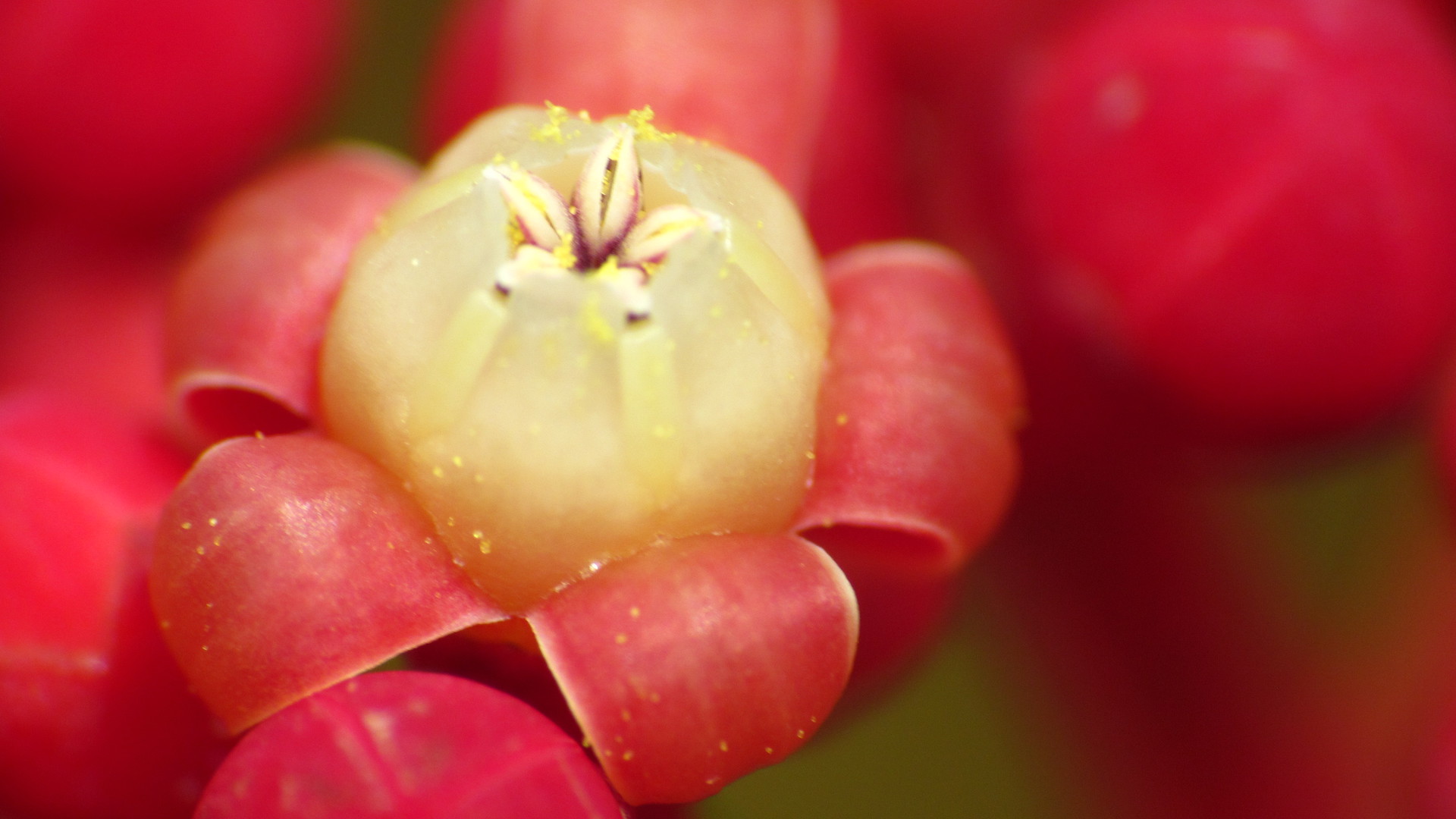
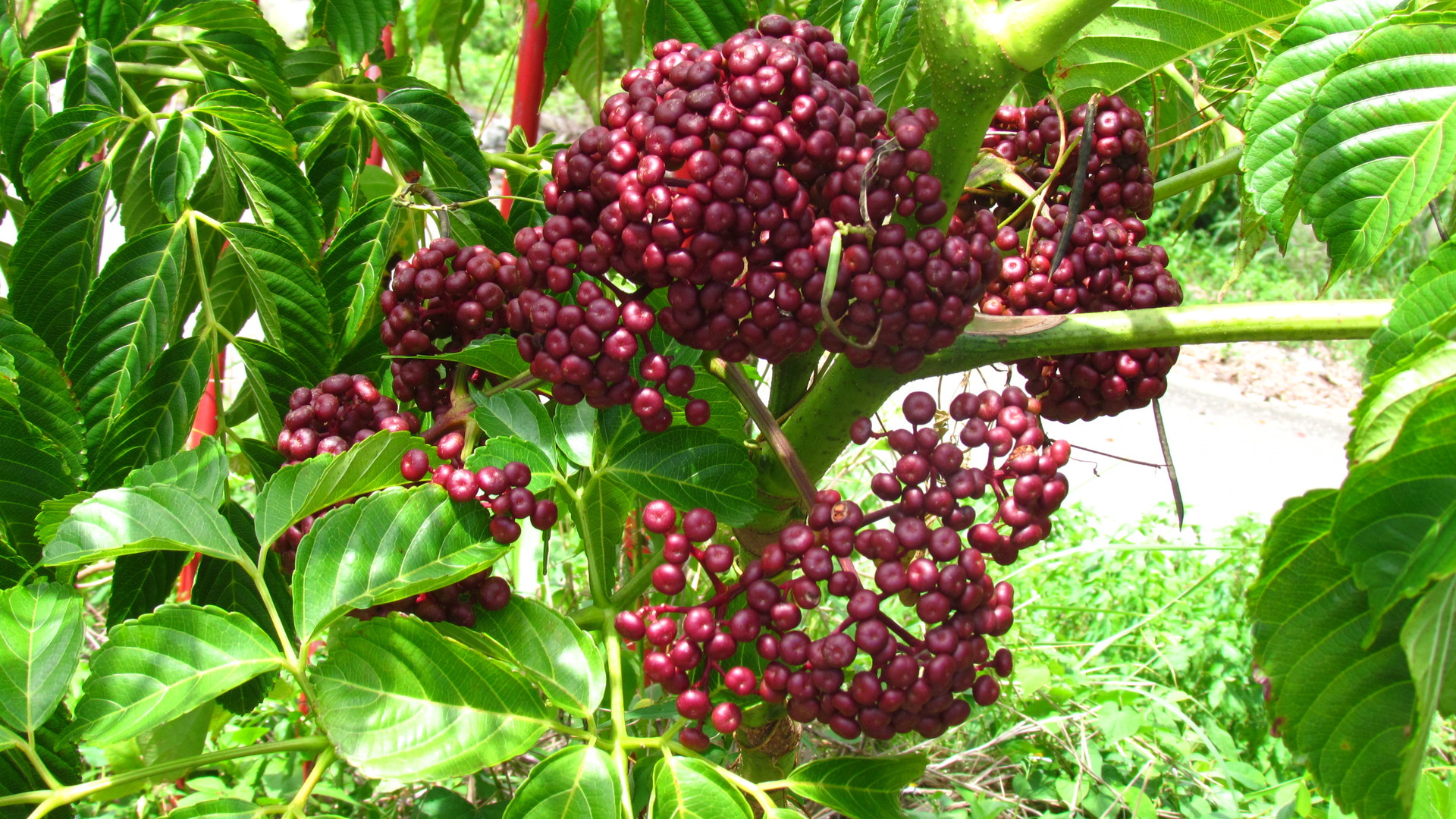
I came across this spectacular flowering shrub during one of my cycling trips around Taitung in southern Taiwan. Two days later I was back with a camera to take some photographs and for the past hour or so I’ve been researching the Internet for clues about the name and origin of the plant. Without too much conviction I’ve settled on Leea guineensis, although it could also be Leea rubra. The former, as its Latin name suggests, comes from tropical Africa, but the latter is an Asian plant that grows throughout south-east Asia, New Guinea and northern Australia. Either way, it’s clearly a leea (named after Scottish horticulturist James Lee) from the Vitaceae family which comprises around 70 species.
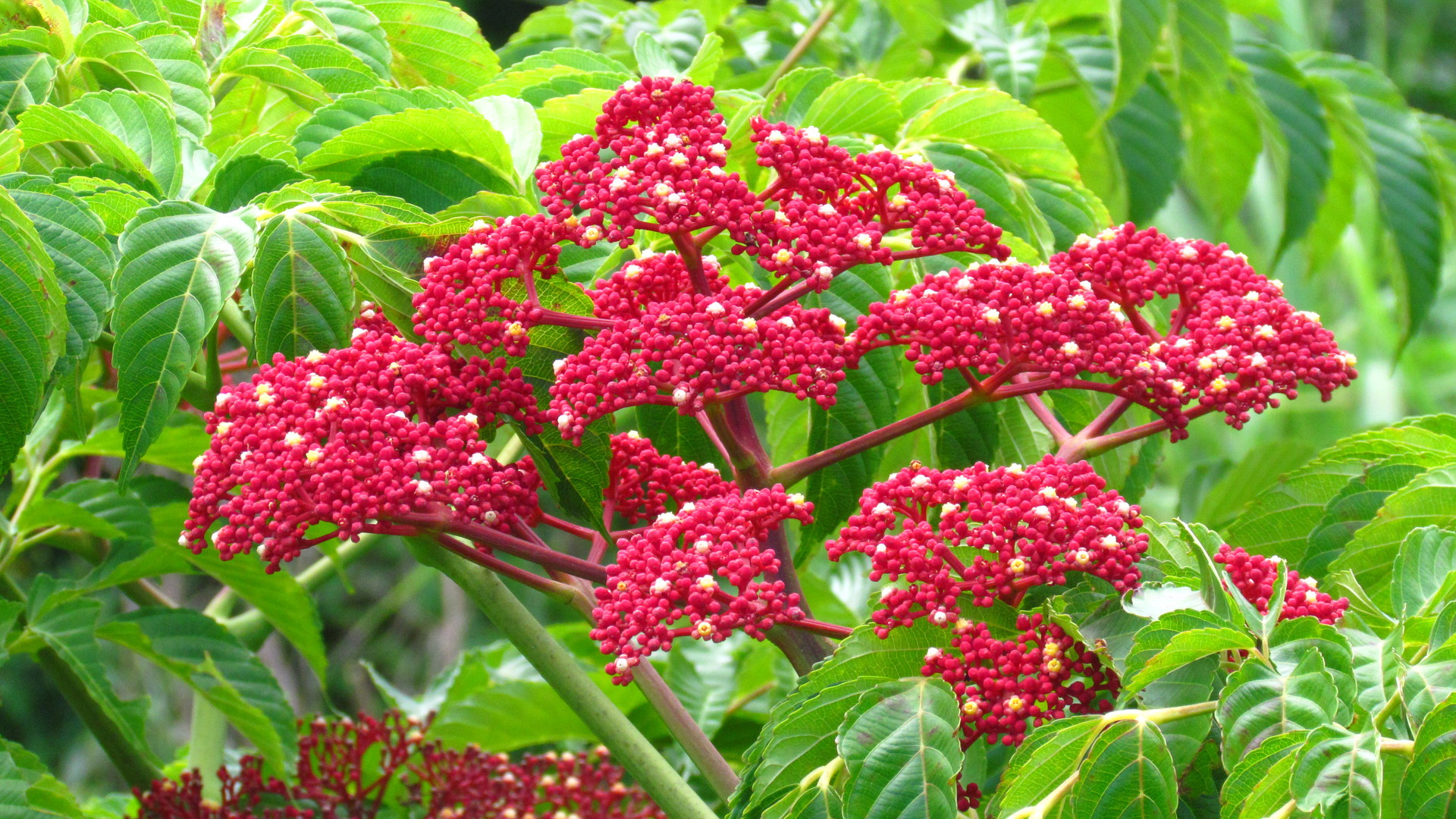
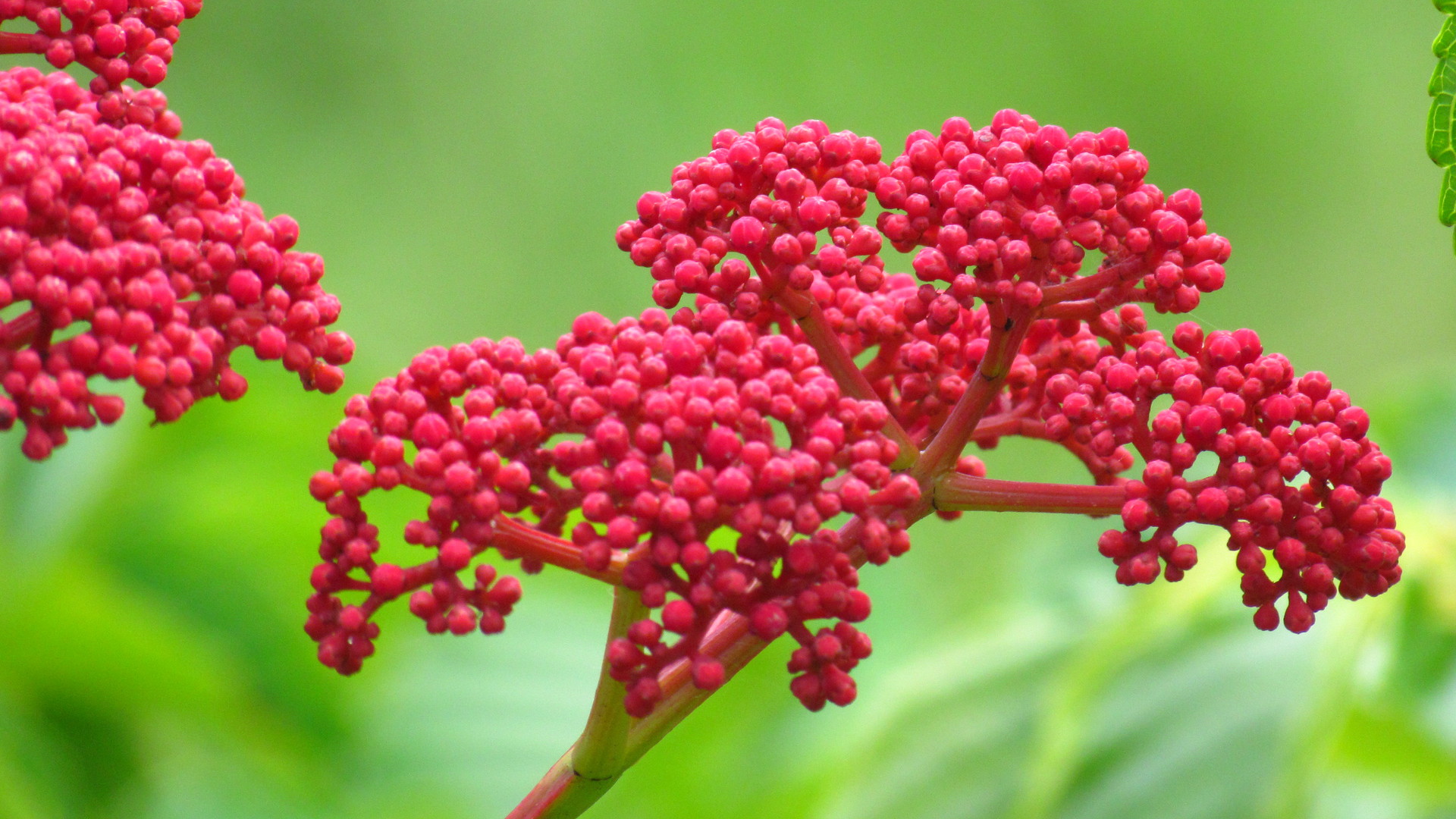
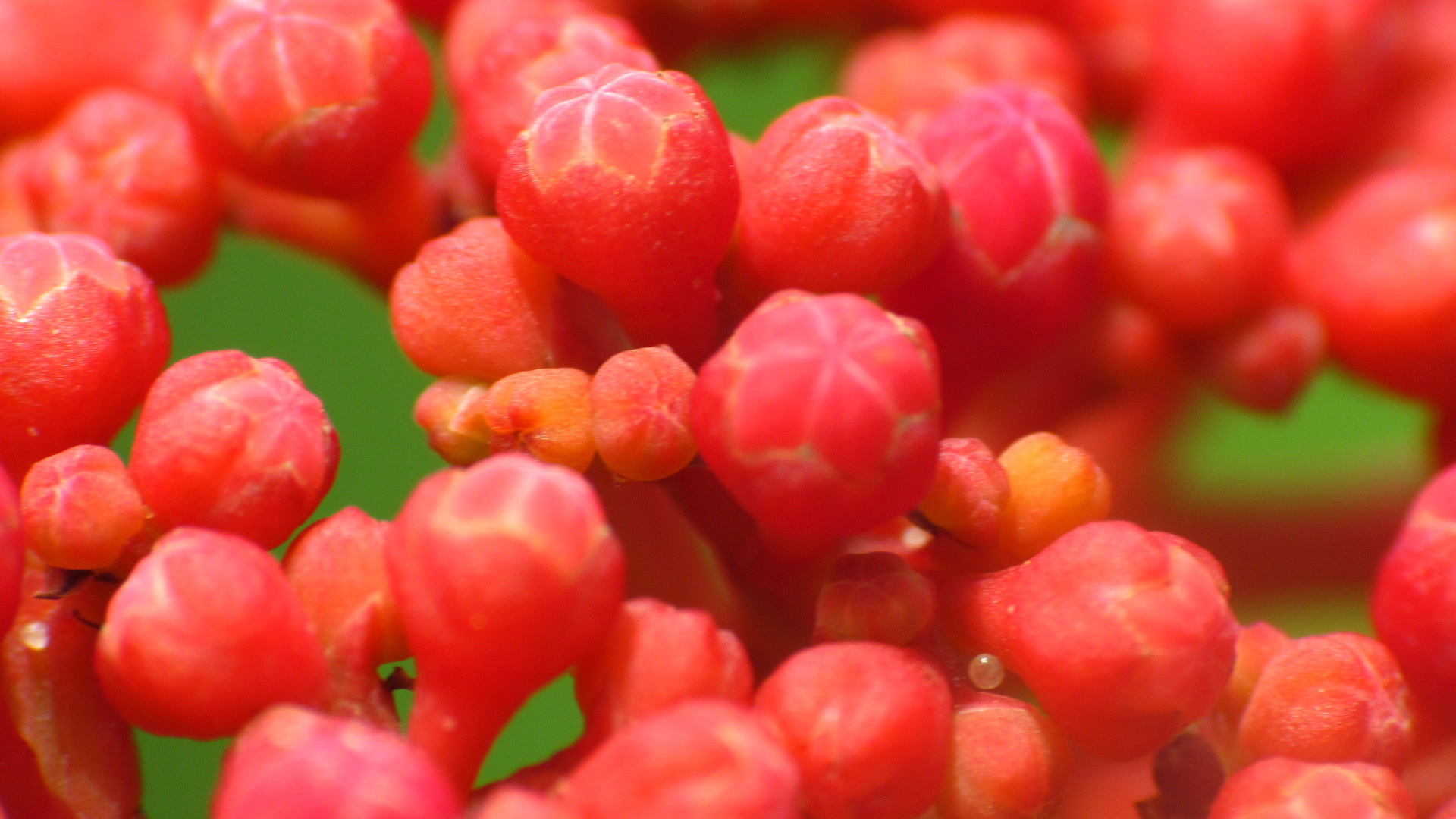
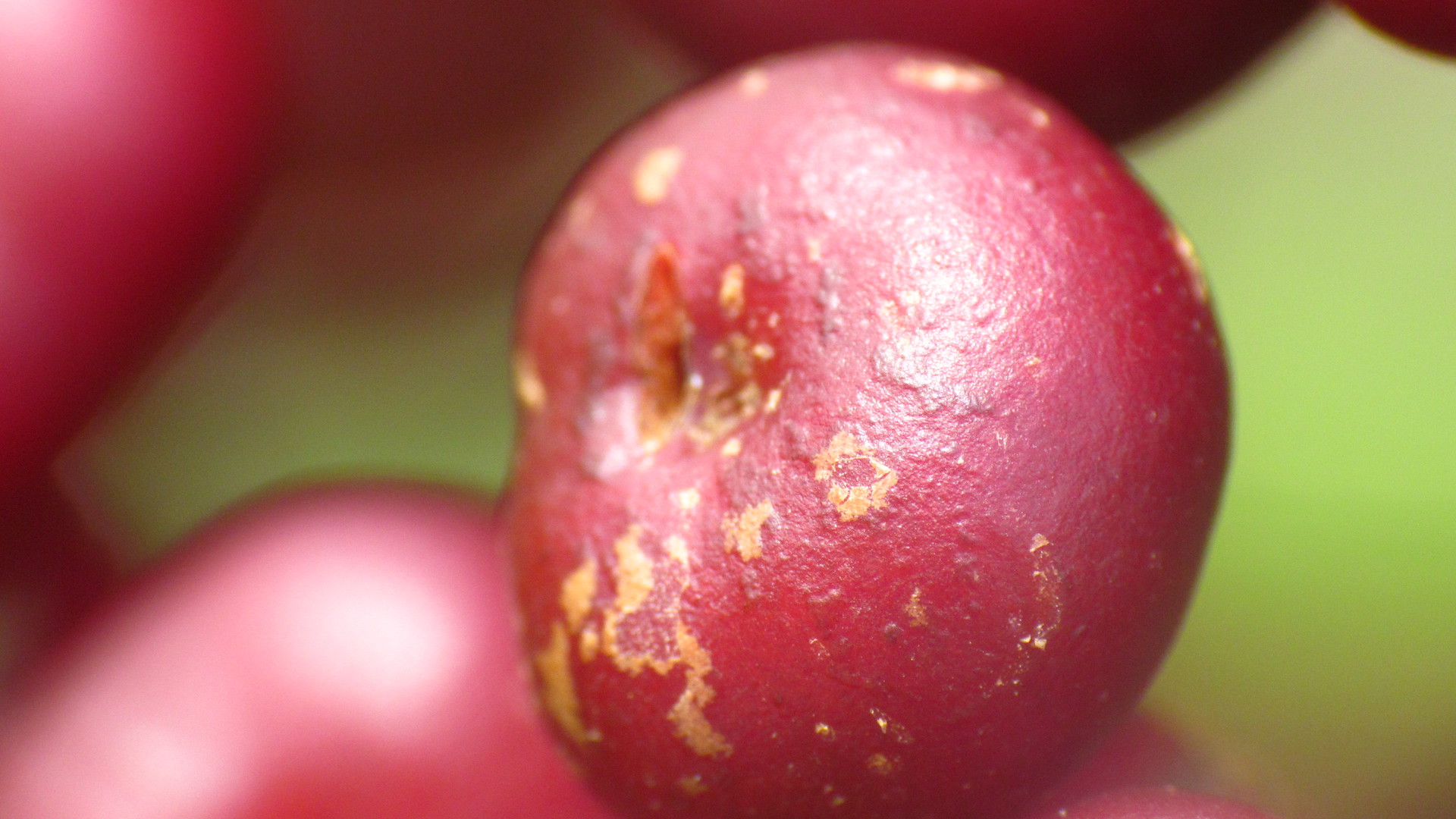
The dark-red flower cymes are impressive enough, but the purple berries, which also grow in dense clusters, provide further interest. The fruit is reportedly toxic to humans, however. The shrubs on these pictures are between 1.5 and 2 metres tall, exposed to full sun, but from my research on the Internet, they apparently do well even in shady conditions and under a canopy of large trees. This leea should bloom intermittently throughout the year. One other interesting point – there is a cultivated variety called “Burgundy” with purple branches and foliage. Otherwise I have nothing more to say, except “please enjoy the photos”!

(This page has been viewed 1584 times.)